Expert, compassionate psychotherapy to help you navigate life’s challenges and discover your inner strength

At PCCMH, we believe that healing begins with understanding. Our therapeutic approach is rooted in evidence-based practices, tailored to meet your unique needs and circumstances. We create a safe, supportive environment where you can explore your thoughts, feelings, and experiences without judgment.
Our collaborative philosophy means you are an active partner in your healing journey. Together, we’ll identify your strengths, address challenges, and develop practical strategies that empower you to create lasting positive change in your life.
Every individual deserves empathetic, non-judgmental support
Utilizing proven therapeutic methods backed by research
Working together to achieve your personal wellness goals
At PCCMH, we provide expert psychotherapy in Union City, NJ, including CBT, DBT, ACT, and more to help you achieve mental wellness.
We offer a comprehensive range of evidence-based therapeutic approaches, each tailored to address specific challenges and support your unique healing journey. Explore our specialties to find the approach that resonates with your needs.
Traditional psychotherapy is used for patients in need of traditional talk therapy to cope and adapt with everything that life brings. This approach includes psychodynamic, behavioral, cognitive and other well-known approaches used today in mental health.
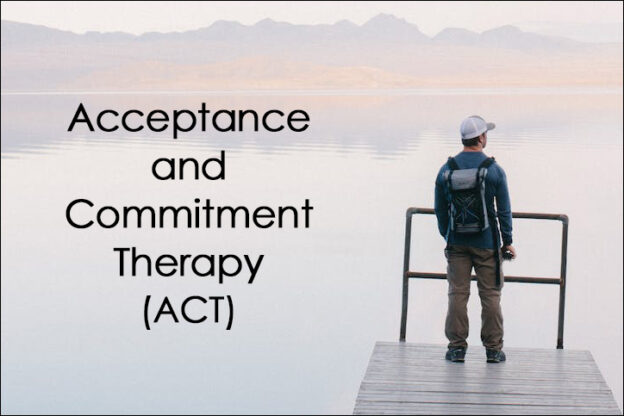
The goal of ACT is to focus on changing one’s actions rather than thoughts and feelings. Patients are taught to identify core values and work on creating goals that satisfy these values. We teach patients to separate themselves from emotions and accept that pain and anxiety are a normal part of life. The goal isn’t to feel good, but to live a real life. Through living a regular life, our patients realize they do start to feel better.
A short-term, symptom-oriented therapy that is focused on the beliefs, values, and cognitive processes that maintain the disordered (issue) behavior. The goal is to modify distorted beliefs.

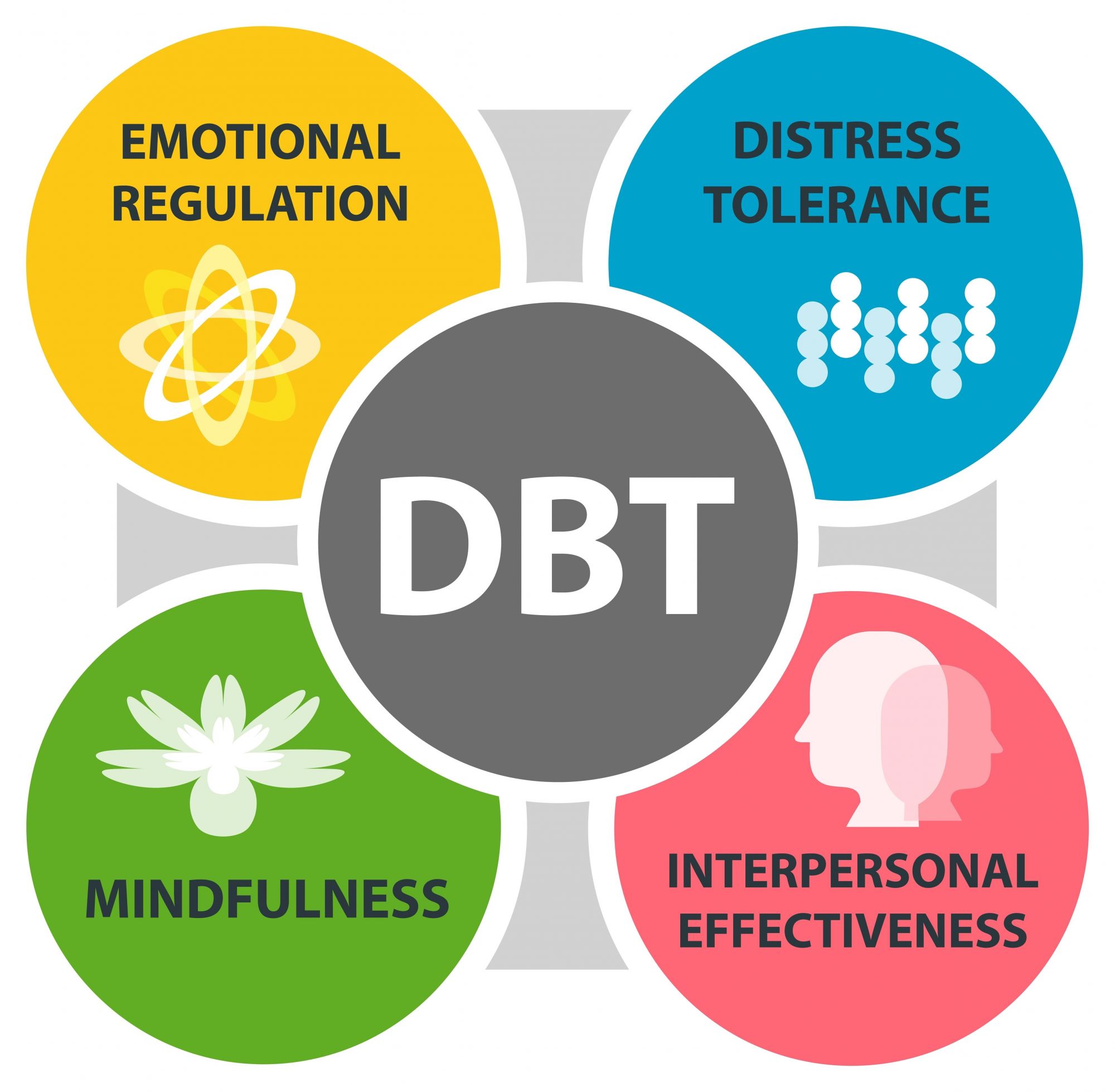
A behavioral treatment that assumes that the most effective place to begin treatment is with changing behaviors. The focus is on developing skills to replace maladaptive behaviors. Skills focus on building mindfulness skills, becoming more effective in interpersonal relationships, emotion regulation, and distress tolerance.
Also known as the Maudsley Method. This is a home-based approach that has been shown to be effective for patients (especially adolescents) with anorexia and bulimia. Instead of focusing on the cause of the eating disorder initial focus is on refeeding and full weight restoration to encourage recovery. All family members are a necessary part of treatment, which consists of re-establishing healthy eating, restoring weight and stopping compensatory behaviors; returning control of eating back to the patient; and focusing on remaining issues.


Interpersonal psychotherapy (IPT) contextualizes symptoms as occurring and being supported within a social and interpersonal context. IPT is associated with specific tasks and strategies linked to the resolution of a specified interpersonal problem area. The four problem areas include grief, interpersonal role disputes, role transitions, and interpersonal deficits. IPT helps patients to improve relationships and communication and resolve interpersonal issues in the identified problem area(s), which in turn results in a reduction of symptoms.
The psychodynamic approach holds that recovery requires understanding the root cause of the problem. Psychodynamic psychotherapists view behaviors as the result of internal conflicts, motives, and unconscious forces. If behaviors are discontinued without addressing the underlying motives that are driving them, then relapse will occur. Symptoms are viewed as expressions of the underlying needs and are often resolved with the completion of working through given issues.

We're Here to Support You on Your Journey to Mental Wellbeing.